
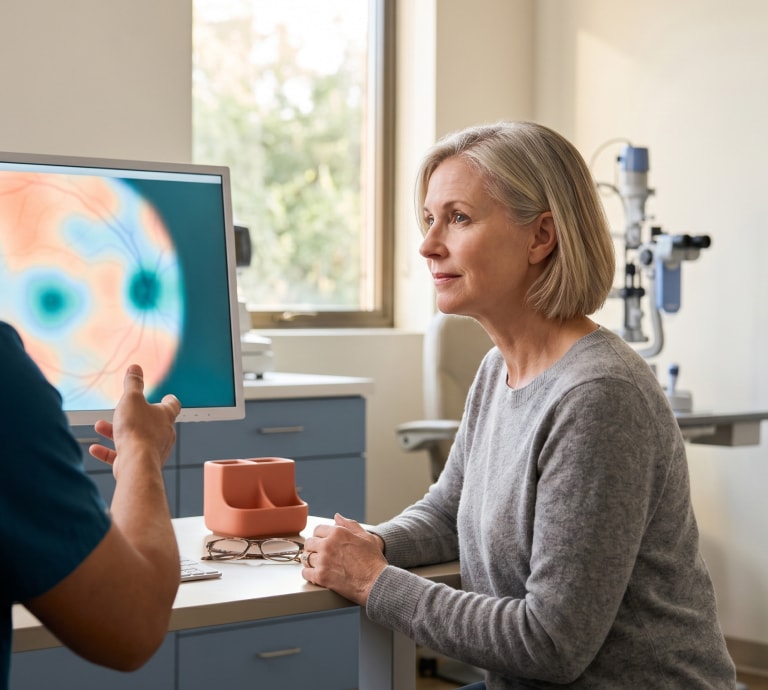
Protecting Your Vision Through Early Detection and Ongoing Care
Many eye diseases do not show symptoms until after permanent vision loss has already begun. Regular eye exams are essential for detecting problems early and reducing the risk of long-term damage.
At Warman Eyecare, we provide comprehensive diagnosis and management of eye diseases using innovative testing technology. We screen for conditions at every exam and provide clear guidance, education, and ongoing care.
Put your eye health first. Contact us to schedule your next appointment today.
How Eye Disease Develops Over Time
Many eye conditions develop through gradual internal changes that are not noticeable in everyday vision. Diseases such as glaucoma, cataracts, age-related macular degeneration, and diabetic eye disease can all progress quietly in the early stages.
These conditions affect different parts of the eye in different ways. Glaucoma impacts the optic nerve, cataracts cloud the natural lens, and retinal diseases can affect central or peripheral vision. Because these changes are slow, symptoms often appear only after progression has already occurred.
Regular eye exams allow us to monitor these structures over time and identify early signs of disease before vision loss becomes noticeable.

What Is Glaucoma?
Glaucoma refers to a group of conditions that affect the optic nerve. There are several types of glaucoma, the most common of which occurs when fluid builds up in the front portion of your eye.
This extra fluid increases the pressure in your eye and can ultimately damage your optic nerve and cause tunnel vision. If left untreated, it will continue to reduce your field of vision until you experience irreversible vision loss.
Early detection is critical in protecting vision from irreversible glaucoma damage.
There are several types of glaucoma. Some affect how fluid drains from the eye, which can lead to increased pressure and damage to the optic nerve. Others, such as normal tension, are still being researched to determine the cause. The main types include:
- Open-angle glaucoma: The most common form, where fluid does not drain properly. It develops slowly and often has no early symptoms.
- Acute angle-closure glaucoma: A rarer, sudden form caused by a narrowed drainage angle. Symptoms may include eye pain, headache, nausea, and sudden blurry vision. This is a medical emergency.
- Normal-tension glaucoma: Optic nerve damage occurs even when eye pressure appears normal, making regular eye exams essential for detection.
Early diagnosis is critical, as vision loss from glaucoma cannot be reversed.
Here at Warman Eye Care, we pride ourselves on providing top-quality eye care. Part of that promise includes testing for diseases like glaucoma. To help reduce your chances of experiencing vision loss, we make sure to test for glaucoma and other ocular diseases every time you come in for an exam.
It is never too early to get tested for glaucoma.
Currently, there is no cure for glaucoma, and there is no way to reverse any damage it has caused to the optic nerve. However, with early detection and treatment, we can delay the progression of the disease.
Glaucoma can be managed using a variety of techniques, including eye drops, laser trabeculoplasty, and surgery. If you have been diagnosed with glaucoma, your optometrist will work with you to determine which management strategy is right for you and your eyes.
What Are Cataracts?
More than two and a half million Canadians have some form of cataracts. While they may be an almost inevitable part of getting older, that doesn’t mean there aren’t treatment options available.
Just like glass gets cloudy over time, so do the lenses in our eyes. Age and sun exposure cause our lenses to cloud over time, leading to blurry vision and dulling even the brightest colours. Cataracts are one of the most common age-related eye conditions, but treatment options are highly effective.
Though we will all likely experience some cataract development in our lifetimes, there are a few factors that can increase your chance of developing cataracts at a younger age. These include:
- Undergoing eye surgery
- Sustaining any eye injuries
- Prolonged UV exposure
- High blood pressure
- Diabetes
- Smoking
- Obesity
- Genetics
A few simple lifestyle changes, such as wearing UV-protective sunglasses, not smoking, and eating a balanced, nutritious diet, can help reduce the likelihood of developing cataracts at a young age. Research also suggests genetics may play a role in age-related cataract production.
During your comprehensive eye exam, we will also test your eyes for a number of ocular diseases, including cataracts. We will use our diagnostic technology to precisely determine whether or not you have cataracts.
If you have cataracts, we will discuss treatment options, such as lifestyle changes or surgery, with you and answer any questions you may have.
Cataracts are slow to develop, so you likely won’t notice a lot of changes in your vision at first. As they progress, you will likely notice that your vision becomes cloudy, as though you are peering at the world through a dirty window. For mild cases, this can be addressed with an updated prescription and a few simple lifestyle adjustments, such as switching to larger-print books.
However, there may come a point when new glasses and large, easy-to-read fonts will no longer be enough. At that point, it may be time to discuss surgery.
Cataract surgery is a safe, highly effective procedure designed to restore clearer vision. It is typically performed one eye at a time and takes about 10 minutes per eye. Most patients experience significant vision improvement, with high success rates and minimal complications.
How the Procedure Works:
- A small ultrasonic device is used to gently break up the cloudy natural lens
- The lens fragments are removed through a tiny incision
- An artificial intraocular lens (IOL) is inserted in its place
- The new lens is designed to function like your natural lens and restore clear vision
- Once replaced, the artificial lens does not develop cataracts
Recovery and Results:
- Most patients notice improved vision after surgery
- Cataracts do not return once the natural lens has been replaced
- Advanced lens options can improve clarity, correct astigmatism, or reduce dependence on glasses
Your Care Journey:
- A full assessment is completed before recommending surgery
- Your optometrist will explain the procedure and answer all questions
- You will be referred to a trusted ophthalmologist for surgery if appropriate
- A postoperative follow-up is scheduled to monitor healing and recovery
Modern ophthalmology clinics may offer laser-assisted techniques for greater precision, helping improve accuracy and reduce postoperative risk. Premium intraocular lenses can also be selected to enhance clarity and visual outcomes after surgery.
Flashes and Floaters
Sudden changes in vision, such as flashes of light or new floaters, can sometimes signal an issue with the retina. While many floaters and occasional flashes are harmless and related to normal aging, a sudden increase or change should always be taken seriously.
These symptoms can occur when the vitreous inside the eye shifts or pulls on the retina. In some cases, this may be linked to retinal tears or retinal detachment, which require prompt attention to help protect vision.
If you notice sudden visual changes, it is important to seek a professional eye exam as soon as possible.
Flashes of light happen when the retina is stimulated by light, movement, or pressure inside the eye. This signal is sent through the optic nerve to the brain, which interprets it as a brief flash of light.
As we age, changes in the vitreous gel can cause it to pull on the retina, creating flashes. While some causes are harmless, new or sudden flashes can sometimes indicate a retinal tear or detachment and should be assessed promptly.
Floaters are small, shadow-like shapes you may notice drifting in your vision. They are caused by tiny clumps or fibres within the vitreous that cast shadows on the retina.
Most floaters are normal with age, but a sudden increase can be a warning sign of a retinal tear or detachment. These conditions require urgent attention to help protect vision, as early treatment is key to preventing permanent damage.
Any time you experience a sudden change in your vision, you should request an appointment with an optometrist as soon as possible, just in case something is wrong.
If you experience flashes, a curtain or veil over your vision, or a sudden onset of floaters, something might be seriously wrong, and you should seek emergency care immediately.
The delicate lining on the back of your eye is called your retina. It plays a vital role in vision by detecting light and sending signals to your brain. When the retina detaches or tears, it is a serious concern, as retinal detachment can lead to permanent vision loss.
The longer you wait to get your retina reattached, the less likely it is that your full vision can be restored. If you think you may be experiencing retinal detachment, seek medical help right away. You can request an emergency appointment by calling our office.
What Is Conjunctivitis?
Conjunctivitis, also commonly called red eye or pink eye, is commonly caused by an eye infection that can affect adults and children alike. Though there are several types of conjunctivitis, each with its own causes and symptoms, they all stem from inflammation of the conjunctiva.
The conjunctiva is the mucous membrane that covers your sclera, the white portion of your eye. While some types of conjunctivitis will subside on their own, others require medical care. Knowing the different types of conjunctivitis is important because it helps you determine whether you need medical help.
The symptoms of conjunctivitis can overlap with other eye infections and conditions, some of which may lead to complications if left untreated. Because each type of infection requires a different approach, a professional assessment is important so you receive the right diagnosis and care.
If you think you may have conjunctivitis, please request an appointment as soon as possible. You can also call our clinic during or after regular hours to ask about emergency care options.
Allergic Conjunctivitis:
- Cause: Reaction to allergens like pollen, dust, or pet dander
- Symptoms: Itchy, watery, red eyes, light sensitivity, swelling, stringy discharge
- Treatment: Antihistamines, allergy management, and medicated eye drops as needed
Bacterial Conjunctivitis:
- Cause: Bacterial infection
- Symptoms: Red, swollen, painful eyes with thick yellow or green discharge
- Treatment: Prescription antibiotics and good hygiene to prevent spread
Viral Conjunctivitis:
- Cause: Viral infection, often highly contagious
- Symptoms: Redness, watery eyes, irritation, light sensitivity, discharge
- Treatment: Typically resolves on its own with rest and supportive care, but requires monitoring for complications
Irritant Conjunctivitis:
- Cause: Exposure to irritants like smoke, dust, soap, or chemicals
- Symptoms: Burning, redness, watering, and irritation
- Treatment: Rinsing the eye with clean water and removing the irritant; urgent care if caused by strong chemicals
We Are Here to Support Your Eye Health
Eye disease often develops quietly, which is why regular monitoring and early detection are so important. Whether you’re managing an existing condition or simply staying proactive about your eye health, our team is here to support you with thorough assessments, diagnostics, and clear guidance every step of the way.
If you have noticed changes in your vision or have concerns about your eye health, start by booking a comprehensive eye exam.
Frequently Asked Questions About Eye Disease
Most patients should have a comprehensive eye exam every one to two years. Patients with existing eye conditions, diabetes, or higher risk factors may need more frequent monitoring.
Yes. Many conditions, such as glaucoma, cataracts, and diabetic eye disease, can progress slowly without noticeable changes in vision, especially in the early stages.
Warning signs can include flashes of light, new floaters, blurred or distorted vision, eye pain, or sudden changes in visual clarity. Any sudden change should be assessed promptly.
In most cases, vision loss from eye disease cannot be reversed. However, early detection and treatment can often slow progression and help preserve remaining vision.
No referral is needed for an eye exam. If additional specialist care is required, we will guide you through the appropriate next steps.
If a condition is found, we will explain the diagnosis, discuss management options, and create a personalized care plan. In some cases, we may coordinate care with an ophthalmologist for further treatment.

Come Visit Us in Warman
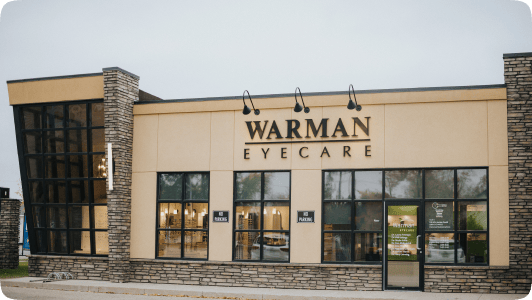
Warman Eyecare is worth the visit! Stop in to say hi and to meet our staff. We’re down the street from the high school on Klassen Street and 6th Avenue, directly behind the Tim Hortons.
Our Address
Contact Information
- Phone: 306-242-4433
- Fax: 306-242-8674
- Email: wecadmin@yxevision.ca
After Hours Emergencies: 306-371-9911
Hours of Operation
*Closed, but we’d be happy to see you at Stonebridge Eyecare, Broadway Eyecare, Brighton Eyecare, or InVision Eyecare!
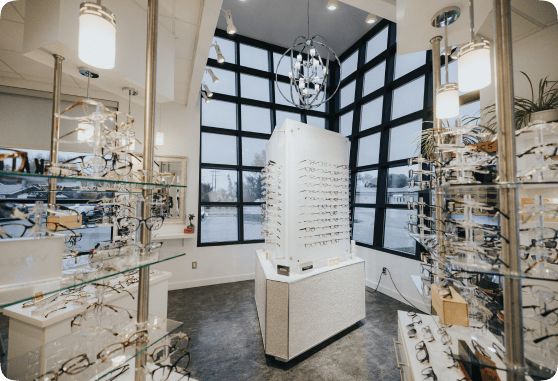
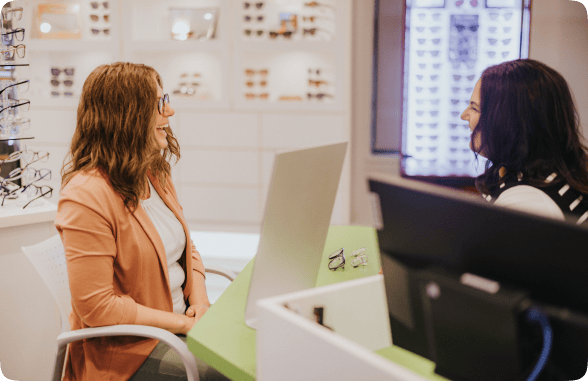
A Look
Inside Warman Eyecare


See What Our Patients Are Saying
